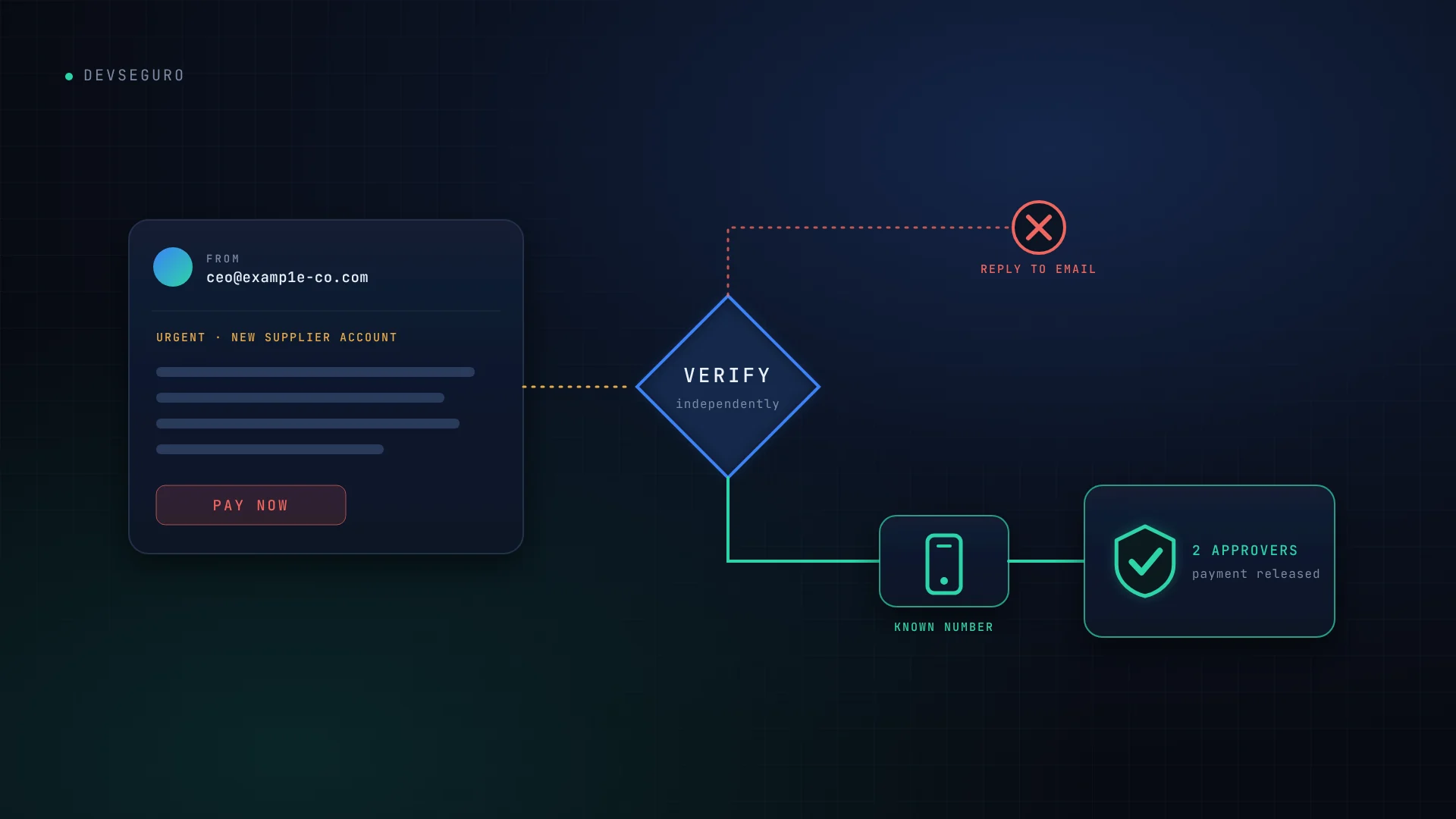
Imagine receiving an email that appears to come from your CEO. It refers to a real project, uses the right names, and requests an urgent payment to a supposedly updated supplier account.
The message looks convincing. The sender’s name appears familiar. The request seems consistent with normal business activity.
Yet the payment instructions are fraudulent.
This is the type of situation businesses need to prepare for. Phishing and business email compromise rely on trust, impersonation, and the pressure to act quickly. AI tools can help attackers create more convincing messages or impersonate people, but the underlying business risk is not entirely new.
Why traditional phishing awareness is no longer enough
Many people were taught to identify suspicious grammar, spelling errors, and obviously strange messages. Those clues can still help, but they are not reliable enough on their own.
A convincing fraudulent message may use professional language, accurate business context, and a familiar-looking identity.
Potential attack scenarios include:
- An employee receives a fake Microsoft 365 or other account-login notification.
- A supplier’s email account is compromised and used to request payment changes.
- A finance employee receives a fraudulent executive payment request.
- A staff member receives a voice message that appears to come from a manager.
- An attacker attempts to obtain credentials through a fake document-sharing page.
Five practical ways to reduce the risk
1. Enable multi-factor authentication
Require MFA for business email, administrator accounts, and other important services. Where available, prioritize phishing-resistant authentication methods such as security keys or passkeys.
MFA improves protection, although not every MFA method offers the same resistance to phishing or session theft.
2. Verify payment and account changes independently
Create a clear rule for payment instructions, bank-account changes, and unusual financial requests.
Employees should verify these requests through a previously known phone number or another trusted communication channel, rather than replying to the message that introduced the change.
For higher-risk transactions, require a second authorized approver.
3. Strengthen business email configuration
Businesses using their own email domain should review email authentication and related controls.
- SPF identifies authorized sending sources for a domain.
- DKIM allows receiving systems to verify a message’s cryptographic signature.
- DMARC helps domain owners specify how receiving systems should handle messages that fail applicable authentication and alignment checks.
Correct configuration can reduce certain forms of domain spoofing. It does not stop every phishing attack, particularly when criminals use lookalike domains or compromised legitimate accounts.
4. Reduce the damage a compromised account can cause
Limit administrator privileges and review account access regularly.
Organizations should also monitor suspicious sign-ins, unexpected inbox rules, unusual forwarding behavior, and changes to account security settings.
If an account is compromised, the response should include securing access, revoking compromised sessions where appropriate, investigating affected messages, and assessing whether other accounts or data were exposed.
5. Train employees around realistic scenarios
Annual awareness presentations alone may not prepare employees for every situation.
Provide practical guidance for recognizing unusual requests, reporting suspicious messages, and verifying sensitive transactions. Simulated exercises can help organizations identify where processes need improvement, provided they are conducted responsibly.
What should your business do after a suspected phishing incident?
Do not assume that deleting the message resolves the problem.
- Report the incident to the designated security or IT contact.
- If credentials were entered, secure the account from a trusted device and revoke affected sessions where possible.
- Review suspicious account activity, inbox rules, and forwarding settings.
- Contact the bank immediately if a fraudulent payment may have occurred.
- Preserve relevant evidence and follow the organization’s incident-response process.
- Assess whether customer information, business systems, or other accounts were affected.
If sensitive data may have been exposed, seek appropriate professional and legal guidance on response and notification obligations.
Is your business prepared for modern email fraud?
Email security involves more than purchasing a security product. It requires the right technical controls, sensible payment procedures, account monitoring, and employee awareness.
DevSeguro can help businesses review their online security posture and identify practical areas for improvement. Learn about our cybersecurity services and security assessments, or contact us to discuss your business’s email-related risks.